Fraud Blocker
Summer Sale is on! Up to 25% off trips! ☀
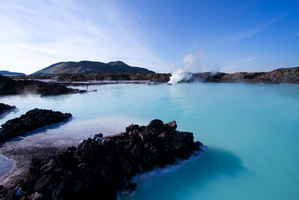
Blue lagoon spa spring, Reykjavik, Iceland

Iceland Travel Guide

Iceland is one of Europe’s hidden gems, a unique island full of extreme scenery, from snow-capped mountains to volcanic islands, frosty glaciers to barren highlands, whale-filled wild seas to thundering waterfalls. See the magical Northern Lights and marvel at one of the world’s natural wonders, or go whale watching off Icelandic shores. Bask in thermal pools, enjoy the buzzing nightlife in Reykjavik or get the ideal paid job and earn money in Iceland. Enjoy a warm Icelandic welcome in the land of ice and snow as you discover one of the world’s best-kept travel secrets.

Iceland Highlights

Rainbow over Gullfoss Waterfall in Iceland's Golden Triangle

Golden Circle

Often travellers' first taste of Iceland’s dramatic natural landscapes, The Golden Circle is a loop showcasing three unmissable sites. Stand between two tectonic plates in Thingvellir National Park, featured in Game of Thrones! Watch the erupting hot springs in the Geysir National Park, and see the magical Gullfoss Waterfall.

The famous rainbow street, alongside colourful shops, in Reykjavik, Iceland's capital

Reykjavik

The capital of Iceland, Reykjavik, boasts a unique history and enchanting culture. Welcoming and walkable, you’ll lose yourself in the city centre’s colourful lanes. Enjoy hot chocolate and freshly baked sweet treats in cosy cafes. Stroll down the iconic rainbow street before soaking in the natural hot spring pools.

Traveller looking out at green light beams, the Northern Lights, a bucket list travel experience on Iceland trips

Northern Lights

Iceland is considered one of the best destinations to see the Northern Lights, a natural light display in which red, green and violet beams transform the sky. This is one of travellers’ best chances to see this natural phenomenon in Iceland, thanks to its dark winter nights, minimal light pollution and prime location in the auroral zone.

Iceland's black sand beach, Reynisfjara, and Reynisdrangar sea stacks rising out of the ocean

Reynisfjara Beach

You won’t believe your eyes at Iceland’s famous Reynisfjara Beach, famed for its striking, volcanic black sand. Gaze out to the unique Reynisdrangar Sea Stacks rising out of the Atlantic waves, said to be trolls turned to stone. The scene created is so cinematic, it’s no wonder it’s been used as a backdrop for countless films and TV shows.

Group of travellers on a glacier trek in Vatnajökull National Park in Iceland

Vatnajökull National Park

Get ready for endless stretches of crystal white landscapes as far as the eye can see. Vatnajökull glacier is the largest in Europe! On our Iceland trips, you can opt to take a glacier trek to navigate dazzling ice formations and incredible frozen wonders. There’s no better way to experience the beauty of this huge natural wonder up close.

Key Facts

Capital City

Reykjavik

Currency

Krona (ISK)

Language

Icelandic

Dialling Code

+354

Plug Type

Type C and Type F

  • Iceland is one of Europe’s hidden gems, a unique island full of extreme scenery, from snow-capped mountains to volcanic islands, frosty glaciers to barren highlands, whale-filled wild seas to thundering waterfalls. See the magical Northern Lights and marvel at one of the world’s natural wonders, or go whale watching off Icelandic shores. Bask in thermal pools, enjoy the buzzing nightlife in Reykjavik or get the ideal paid job and earn money in Iceland. Enjoy a warm Icelandic welcome in the land of ice and snow as you discover one of the world’s best-kept travel secrets. 
  • Great gap year opportunities for paid work on farms, in tourism or as an Au Pair
  • Earn money and get a job set up before you go
  • Jaw-dropping scenery makes for a stunning adventure on this fascinating island
  • See the unmissable spectacle of the Northern Lights
  • Outdoor activities are a must-do – hike a glacier, see snow-capped volcanoes, visit the empty, wild highlands or go birdwatching
  • Soak your cares away in an amazing hot thermal pool

Fish and seafood are, not surprisingly, usually on the menu in Iceland, with a delicious range of fresh or cured fish on offer. Lamb is a popular meat, and potatoes or soups are frequently added to a meal. Rye bread is a popular accompaniment. 

If you are feeling adventurous you can try some of Iceland’s most exotic offerings, such as seabird e.g puffin or gull, or the infamous fish dish Hákarl, a putrefied shark meat known for its overpowering taste and smell!  They also eat Whale in Iceland, which may offend our more ethically-minded UK visitors. 

An everyday ingredient is skyr, a soft cheese/yoghurt which Icelanders eat daily with almost anything! 

Iceland's weather is unpredictable and can change from bright sunshine to wet weather within hours. There is high rainfall throughout the year, but from September-May this often turns to snow. 

The south and west are the wettest parts of the country, and in the mountain regions temperatures can plummet quickly.  June-August is the busiest tourist season.  Areas of geothermal activity are higher in temperature and make for an interesting contrast in the climate. 

Visa Assistance

Visas may be required depending on your nationality, travel plans, and length of stay. Below are the FCDO travel advice for British travellers. Entry rules can change at any time, so always check with the relevant embassy before travelling.

To make things easier, we’ve partnered with The Travel Visa Company, a UK-based visa specialist. Their team can guide you on requirements and, for a fee, apply for visas on your behalf.


Entry Requirements for UK Travellers

This information is for people travelling on a full ‘British citizen’ passport from the UK. It is based on the UK government’s understanding of the current rules for the most common types of travel.

The authorities in Iceland set and enforce entry rules. If you’re not sure how these requirements apply to you, contact the Icelandic Embassy in the UK.

Passport validity requirements

Iceland follows Schengen area rules. Your passport must: 

  • have a ‘date of issue’ less than 10 years before the date you arrive – if you renewed your passport before 1 October 2018, it might have a date of issue that is more than 10 years ago, making it invalid for entry to the Schengen area
  • have an ‘expiry date’ at least 3 months after the day you plan to leave the Schengen area (the expiry date does not need to be within 10 years of the date of issue)

Check with your travel provider that your passport and other travel documents meet requirements. Renew your passport if you need to.

You will be denied entry if you do not have a valid travel document or try to use a passport that has been reported lost or stolen.

Dual nationals

When returning to the UK, British citizens must carry a valid British passport or certificate of entitlement. See Dual citizenship.

Visa requirements

You can travel to the Schengen area, which includes Iceland, for up to 90 days in any 180-day period without a visa. This applies if you travel:

  • as a tourist
  • to visit family or friends
  • to attend business meetings, cultural or sports events
  • for short-term studies or training

The requirements for working in Iceland are different.

If you’re travelling to other Schengen countries as well, make sure your whole visit is within the 90-day visa-free limit. Visits to Schengen countries in the 180 days before you travel count towards your 90 days. If you overstay the 90-day visa-free limit, you may be banned from entering Schengen countries for up to 3 years.

Until the Entry-Exit System (EES) is fully rolled out, make sure you get your passport stamped on entry and exit (read ‘New Schengen entry requirements’).

If you’re a visitor, border guards will look at your entry and exit stamps to check you have not overstayed the 90-day visa-free limit for the Schengen area.  

If your passport is missing a stamp, show evidence of when and where you entered or left the Schengen area (for example, boarding passes or tickets) and ask the border guards to add the date and location in your passport.

At Icelandic border control, you may also need to:

  • show a return or onward ticket
  • show you have enough money for your stay
Staying longer than 90 days in a 180-day period 

To stay longer, to work or study, or for other reasons, you must meet the Icelandic entry requirements. Check what type of visa or work permit you need with the Icelandic Directorate of Immigration.

If you‘re in Iceland with a residence permit or long-stay visa, this does not count towards your 90-day visa-free limit.

Read about entry processes if you live in Iceland.

New Schengen entry requirements 

The European Union’s (EU) new Entry/Exit System (EES) is now being implemented across the Schengen area. 

This means that when you travel into the Schengen area for short stays, you may need to register your biometric details, such as fingerprints and a photo. You do not need to take any action before you arrive at the border, and there is no cost for EES registration. 

On your first visit into a Schengen country, you may be asked to register your details at a special booth before proceeding to the immigration desk. Follow directions from your travel operator or the staff at your port of entry. You may also need to provide either your fingerprint or photo when you leave the Schengen area. Children aged 11 or younger will not have their fingerprints scanned but can be required to have their photo taken. 

EES may take each passenger extra time to complete so be prepared to wait longer than usual at the border. 

EES is replacing the previous system of manually stamping passports when visitors arrive in the Schengen area for short stays. You may be asked to input biometric details every time you enter or exit.

If you enter the Schengen area through the Port of Dover, Eurotunnel at Folkestone or Eurostar at St Pancras International, any information will be taken at the border before you leave the UK. 

Your digital EES record is valid for 3 years.

Read more information on the EU Entry/Exit System and to understand which countries are in the Schengen area.

Vaccine requirements

For full details about medical entry requirements and recommended vaccinations, see TravelHealthPro’s Iceland guide.

Customs rules

There are strict rules about goods that can be brought into and taken out of Iceland. You must declare anything that may be prohibited or subject to tax or duty.

Whale products

It is illegal to import whale products from Iceland into the UK. You could get a fine of up to ÂŁ5,000 or a prison sentence.

Taking money into or out of Iceland

You must declare if you’re carrying any currency worth 10,000 euros or more.

Taking food and drink into Iceland    

You cannot take meat, milk or products containing them into Iceland. There are some exceptions such as powdered baby milk, baby food and special foods or pet feed required for medical reasons. 

Iceland is a very friendly, informal, democratic and liberal country. People treat each other with respect, and Icelanders can be private, reserved people so please act with consideration and respect. 

If visiting an Icelandic home, it is customary to remove your shoes. Smoking in public places is banned.  Alcohol is very expensive and drink-driving is strongly clamped down upon. 

Iceland has a very low crime rate and is considered a very safe destination for travellers.  Use caution in busy urban areas and keep an eye out for petty crime. 

The weather can be highly unpredictable and you should wear appropriate clothing in anticipation of cold conditions, especially in winter. Those driving in winter should carry food, water and blankets in their car. Emergency huts are provided in places where travellers risk getting caught in severe weather, and car-hire companies can provide snow tyres or chains in winter.

Exercise caution when hiking due to changing weather conditions, and be aware that the water in hot springs and mud pots can come out of the ground at 100°C. Always get local advice before hiking around live volcanoes. In glacial areas beware of dangerous quicksand at the end of glaciers, and never venture out onto the ice without crampons and ice axes.

Driving on Iceland’s roads can be dangerous, with locals often not heeding speed or safety limits. 

Do not become involved with drugs, as Iceland has strict drug use and possession laws. 

We do not recommend hiring motorbikes, scooters, ATV vehicles, quad bikes or other types of motorised vehicles whilst abroad. Safety and quality of vehicles vary considerably and the traffic conditions can be much more dangerous than what UK travellers are used to. Should you wish to go against this advice, you should ensure you are hiring from a reputable company and that your travel insurance covers you for such activities.

Related Articles

How You Can Visit The Odyssey's Filming Locations

Last updated: 14th Apr 2026

An epic adventure that spans over 10 years? Sounds like our dream getaway! And also the plot of Christopher Nolan’s new film, The Odyssey, based on the ancient Greek poem. The scenic landscapes featured are truly incredible and will...

The Top 10 Travel Destinations for January 2027

Last updated: 12th Feb 2026

New year, new destinations! January is all about fresh beginnings, and what better opportunity is there than travelling the world? So if you’re ready to chase winter sun, or extend that festive magic post-holidays, here’s how...

10 Reasons to Go Skiing & Snowboarding in Austria

Last updated: 10th Feb 2026

I’ve just come back from the little town of Hopfgarten in the Kitzbühel Alps, and had the best time learning to snowboard. Believe me, if you’ve ever thought about learning for yourself, then this...

Maximise Your Annual Leave With UK Bank Holidays [2026]

Last updated: 16th Oct 2025

The perk of working Monday to Friday is Bank Holidays, aka, more time for travel! ✈ Because let’s face it - once you’ve started travelling, you’ll never want to stop! So if you want your...

The 13 Best Party Destinations in Europe

Last updated: 1st Oct 2025

Europe has some legendary nightlife! We’re talking partying in thermal baths, raving in a medieval fortress and living it up on the sands of stunning islands. There’s no better place to party than the best party...

What the New EES Means for Your European Adventures

Last updated: 11th Sep 2025

Article in collaboration with the Foreign, Commonwealth & Development Office (FCDO). Whether you’re hearing about EES for the very first time or you’ve already come across it, the system officially launches on 12th October 2025. Here...

The Top 10 Travel Destinations for September 2026

Last updated: 4th Sep 2025

Dreaming of a September getaway? As the summer months fade for much of the Northern Hemisphere and students head back to school, it’s the time of new beginnings. As destinations transition in or out of their peak times...

Travel the Rainbow This Pride Month

Last updated: 2nd Jun 2025

Celebrate this year's Pride Month with a journey through the colours of the rainbow! We’ve linked each shade with a welcoming destination that bursts with LGBTQIA+ pride. Plus, discover the best Pride Parade celebrations across the world...

11 Cheap Countries to Visit in Europe

Last updated: 27th May 2025

Europe is full of fantastic times, gorgeous weather, and some of the best food you’ll ever taste, and it is also bursting with a rich diverse culture and natural beauty. It goes without saying that everyone needs and...